
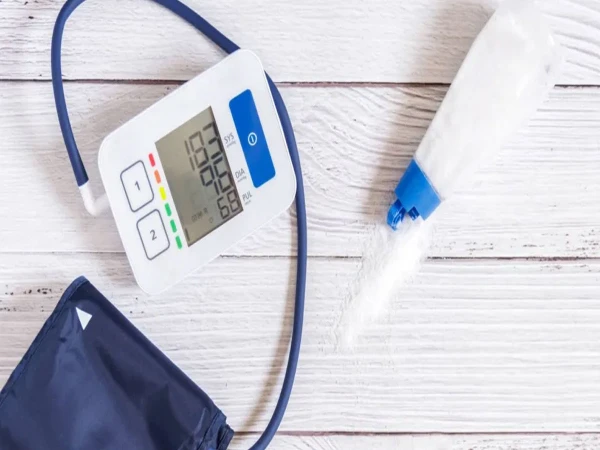
American experts have suggested in their new study that traditionally, the emphasis has been on reducing sodium (salt) intake to control high blood pressure, but new evidence suggests that increasing potassium intake can also be significantly helpful in this effort and that the ratio of potassium to sodium may be a more accurate indicator of cardiovascular health.
According to Medical News Today, a new report recently published in The American Journal of Clinical Nutrition emphasizes the need to update current guidelines on reducing high blood pressure and suggests that people should increase potassium intake along with reducing sodium intake to effectively control blood pressure.
The report said that most Americans consume about 3,400 milligrams of sodium per day, which is more than the 2,300 milligrams recommended by federal and medical guidelines, about 70 percent of which comes from restaurants and processed foods, and more than 98 percent of American adults do not meet the recommended daily intake of potassium.
Experts said that these figures help explain why high blood pressure is called the ‘silent killer’. High blood pressure often increases for many years without any obvious symptoms and about 120 million people in the United States are affected by this disease.
Why is potassium important for blood pressure?
Experts have proven through research that the ratio of sodium to potassium is a more accurate predictor of cardiovascular health outcomes than sodium intake alone. High sodium intake is also associated with an increased risk of high blood pressure and heart disease.
Hernandez, RDN, CSR, LDN, a board-certified nephrologist and nutritionist, said a 2025 meta-analysis found that increasing potassium intake by about 2,000 milligrams per day can reduce systolic blood pressure by about 5 mmHg and diastolic blood pressure by about 3 mmHg in people with high blood pressure.
Potassium helps maintain this balance by counterbalancing the effects of sodium, helping to flush excess sodium from the body, and helping blood vessels dilate and relax, she said.
Although current medical guidelines favor a low-sodium diet to lower blood pressure, adding potassium to the diet is not a new recommendation, said Dr. Leonard Pianco, a board-certified cardiologist in Florida.
He explained that potassium is an important mineral for maintaining internal balance in the body and that too much or too little of it can be harmful to health. The report emphasizes how sodium and potassium work together to control water balance and blood pressure in the body, while balanced dietary plans like DASH are effective in lowering blood pressure.
How much sodium should be consumed daily?
Dr. Leonard Pianko said that the American Heart Association recommends consuming no more than 2,300 milligrams of sodium per day, while a daily target of about 1,500 milligrams is better for most adults, especially those with high blood pressure. However, he emphasized that the real problem with sodium consumption is not the salt sprinkled on food, but the hidden salt in these foods, including restaurant meals, canned or frozen foods, packaged bread and snacks.
Experts also recommend adopting a dietary approach to prevent high blood pressure and checking the amount of sodium and potassium on food labels.
Which foods are rich in potassium?
Nutritionist Hernandez said that fruits, vegetables and legumes are potassium-rich foods that can help lower blood pressure.
According to Dr. Leonard Pianco, bananas are generally considered the easiest choice to increase potassium intake, but melon is also a potassium-rich fruit. In addition, white beans, lentils, plain yogurt, salmon, baked potatoes with the peel, spinach and edamame are also good sources of potassium. Some of these foods contain more potassium than bananas.
According to the report, the American Heart Association currently recommends a daily target of 3,500 to 5,000 milligrams of potassium to help control blood pressure.
Hernandez also listed some potassium-rich foods to include in your daily diet, including potatoes with skin, salmon, freshly cooked spinach, raw cantaloupe, milk, and pinto beans.
Experts agreed that the best way to improve blood pressure and heart health is to reduce sodium intake and increase potassium intake through natural foods.
Dr. Leonard Pianco explained that he always advises his patients who need to responsibly increase their potassium intake to consume potassium-rich foods rather than supplements. I use the term responsibly because this decision should be based on the advice of a cardiologist, not an Instagram post.
Who should not increase their potassium intake?
According to experts, people who have diseases or use medications that affect the balance of minerals in the body should consult a medical professional before increasing their potassium intake.
Dr. Leonard Pianco said that increasing potassium intake should not be considered a one-size-fits-all prescription. People with chronic kidney disease or heart failure should consult their cardiologist before increasing their potassium intake through dietary changes or pills alone.
Hernandez said that people whose blood potassium levels are already high, that is, they are suffering from hyperkalemia, should not increase the amount of potassium in their diet without consulting a doctor or nutritionist.